Cancer Eye in Cattle: What to Look For and How to Manage It
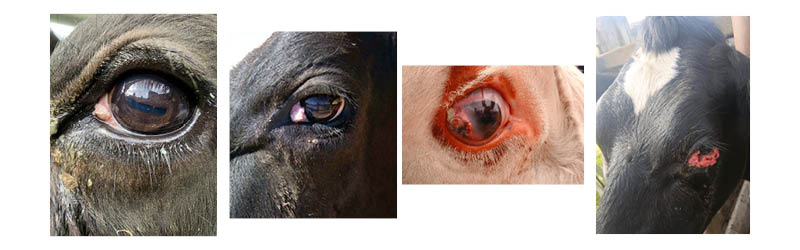
We were recently called out to assess several cows across Waikato farms presenting with what is commonly referred to as “cancer eye.”
In New Zealand, “cancer eye” is a broad term used to describe a range of eye conditions in cattle — not all of which are truly cancerous. However, some cases can be serious and require prompt veterinary attention.
What Is Cancer Eye?
True cancer eye most commonly refers to squamous cell carcinoma, a malignant tumour that usually develops on the third eyelid.
Early signs may include:
Small, raised lumps or spots on the third eyelid
Mild irritation or eye discharge
As the condition progresses:
Tumours can become ulcerated and infected
Tissue damage may extend across the eye
Surrounding facial structures, including bone, may become involved
In advanced cases, the cancer can spread to lymph nodes and internal organs, significantly impacting animal welfare.
What Causes Cancer Eye in Cattle?
Several factors can increase the risk of cancer eye, including:
UV exposure (sun damage)
Genetics and breed susceptibility
Chronic irritation or inflammation of the eye
Previous eye injuries or infections
It’s important to note that conditions such as pinkeye (infectious bovine keratoconjunctivitis) or trauma may also affect the eye and can sometimes be mistaken for cancer eye, especially if symptoms appear suddenly.
Transport Rules for Cows with Cancer Eye (NZ)
Transporting cattle with cancer eye requires careful consideration and, in most cases, a veterinary certificate.
To be deemed fit for transport:
The lesion must be confined to the third eyelid or eye tissues
The tumour must be less than 2cm in size
It must not be actively bleeding or discharging
Always consult your vet before arranging transport.
Treatment Options for Cancer Eye
Treatment depends on how early the condition is identified.
Early Stage (Best Outcome)
Surgical removal of the third eyelid tumour
Often curative if caught early
Minimal impact on the animal
Moderate Cases
Removal of larger tumours
Higher risk of regrowth
Culling recommended as soon as practical
Advanced Cases
If the cancer has spread beyond the third eyelid:
Enucleation (removal of the entire eye) may be required
Culling is recommended after recovery, as regrowth is common
Severe Cases
If the cancer has spread into facial bones, → Humane euthanasia on farm is necessary
Real-World Case Outcomes
The cases we recently saw reinforced how variable cancer eye can be:
One cow required a minor surgical removal, preserving most of the third eyelid
Another needed full third eyelid removal
A third required complete eye removal (enucleation)
A fourth was unsuitable for treatment due to bone involvement and was directed to pet food
Prevention and Early Detection
Early detection is critical to improving outcomes and reducing production losses.
What to Do on Farm
Regularly check cows’ eyes for abnormalities
Act quickly on small lesions or changes
Reduce prolonged exposure to harsh sunlight where possible
Seek veterinary advice early
Work With Your Vet to Manage Cancer Eye
Managing cancer eye effectively requires early intervention and clear decision-making around treatment and culling.
Your Vetora clinic can help with:
Diagnosis and staging
Surgical options
Transport certification
Animal welfare decisions
Contact your local Vetora clinic for advice if you notice any abnormalities in your herd’s eyes.