
Liver Abscess in Heifers: What Waikato Farmers Need to Know
In September, a sick R2 heifer was reported in Otorohanga after rapid deterioration. Despite initial treatment with Engemycin and B12/Selenium, her condition worsened to the point she couldn’t walk back to the yards.
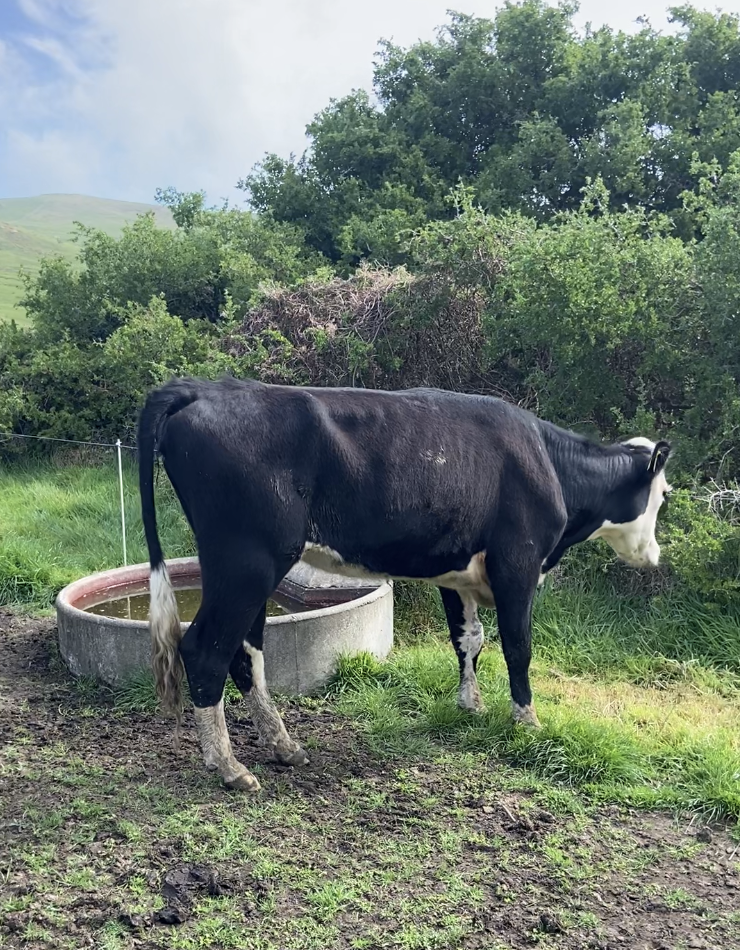
A post-mortem revealed severe emaciation and multiple encapsulated liver abscesses, some up to 6cm in diameter. One abscess had ruptured near the liver’s main blood supply, causing localised peritonitis and a toxic reaction that led to her decline.
Liver abscesses can occur in any age or breed of cattle but are most common in feedlot or grain-fed animals. The primary cause is rumen acidosis, often triggered by a sudden diet change from roughage to high-grain feed. Other causes include:
The bacteria responsible, Fusobacterium necrophorum, proliferates when the rumen lining becomes inflamed, allowing bacteria to enter the bloodstream and seed in the liver.
These heifers had been fed meal during winter, making rumen acidosis the likely cause. In most cases, liver abscesses remain small and only reduce growth rates. However, when an abscess ruptures near major blood vessels, it can cause rapid deterioration and death.
This case highlights the importance of careful feed management to prevent liver abscesses and protect herd health.
