
Parasites are one of the most common causes of poor performance in calves, reducing both feed intake and feed utilisation. Young animals are especially vulnerable, and even older stock require additional energy to develop and maintain immunity to worm burdens. True immunity doesn’t begin to form until around six months of age, meaning early management is crucial.
In today’s environment—where farms are under pressure to improve efficiency, finish stock earlier, and get replacements to mating weight—lost growth in young stock can have long-term impacts on farm profitability. Effective parasite control is one of the simplest ways to protect this growth.
Calf parasite treatment can be confusing, especially with ongoing discussions around drench resistance and appropriate product use. Consideration should be given to:
Every farm is different, so it always pays to discuss your specific situation with the Vetora team.
For calves, oral drenches offer the most effective treatment. Research shows that combination drenches slow the development of resistance far more effectively than single‑active drenches.
Single actives should not be used in calves.
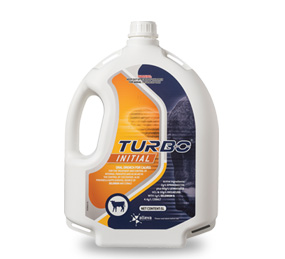
Great for calves affected by coccidiosis, Turbo Initial is a double‑active oral drench containing:

A highly effective triple‑active oral drench containing:
Oral drenches remain the best option until calves are too large or difficult to handle safely.

Once oral drenching becomes impractical, combination injectable or pour‑on drenches are suitable for stock under 18 months.
A double‑active injectable containing:
Levamisole ensures excellent control of Cooperia, while the product maintains a strong safety profile.
Pour‑ons offer strong effectiveness against both internal and external parasites. Turbo Pour‑On is a combination formulation containing:
If you want to extend drench intervals, a faecal egg count is an essential monitoring tool.
Vetora performs FECs in‑house:
This is a cost‑effective way to ensure you are drenching at the right time while managing resistance responsibly.
Every farm system is unique, and local parasite pressure can vary across the Waikato. For tailored advice that protects calf health and supports your farm’s performance goals, speak with your local Vetora team.
